Amazon 6 Pager Memo: Why Bezos Secretly Banned PowerPoint
In 2004, Jeff Bezos sent an internal email that changed how Amazon runs every meeting to this day. No more PowerPoint. No more bullet points. Instead: a six-page narrative memo, read in complete silence for 30 minutes before anyone says a word. Twenty years later, the Amazon 6 pager memo is widely considered one of the most effective meeting systems ever built — and it’s being copied by companies from Dropbox to startups with 10 people. Here’s exactly how it works, why it works, and what you can take from it today.
The problem with PowerPoint that Bezos couldn’t ignore
Walk into almost any corporate meeting in any company in the world and you’ll see the same thing: someone standing at the front of the room, clicking through slides, while everyone else half-listens and checks their phone. The presenter has spent days making the deck look polished. The audience will forget 90% of it before they get back to their desk.
Bezos had a specific diagnosis for why this kept happening. Bullet points, he argued, are easy for the presenter and useless for the audience. They allow a speaker to gesture vaguely at complex ideas without ever having to articulate them fully. A slide that says «drive customer value through strategic alignment» communicates almost nothing — but it looks like it does, and that’s the problem. The format creates the illusion of clarity without requiring it.
His conclusion was blunt: if you can’t write it down in full sentences, you don’t actually understand it well enough to present it. And if you don’t understand it well enough to present it, you certainly shouldn’t be making decisions based on it.
The 2004 email that banned PowerPoint at Amazon
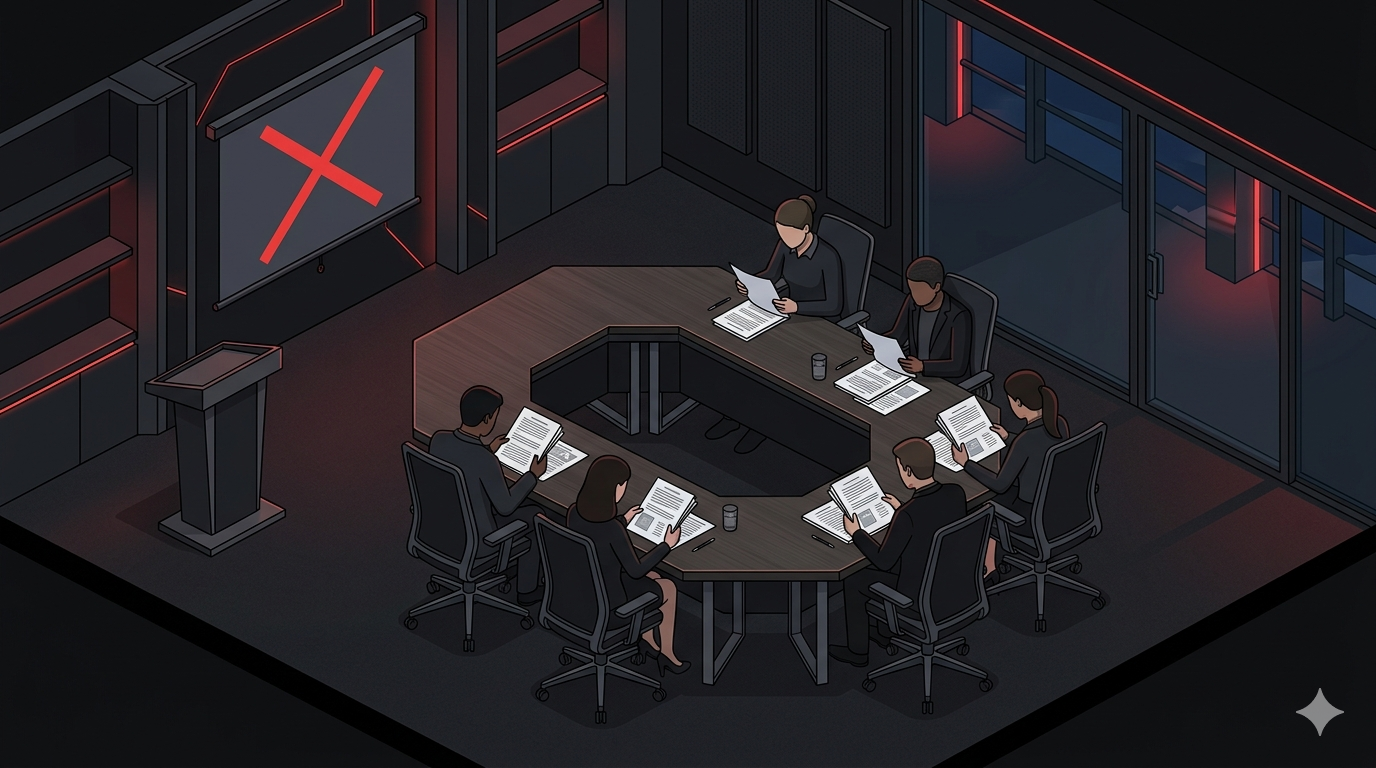
In 2004, Bezos sent an internal email to his senior leadership team — known internally as the S Team — that was short and unambiguous: PowerPoint presentations were no longer permitted in executive meetings. In their place, every meeting would begin with a written narrative memo of up to six pages, read in silence by every person in the room before a single word of discussion was spoken.
The policy was not a suggestion. It applied to Bezos himself, who would sit silently reading the memo alongside everyone else. Brad Porter, Amazon’s former VP of Robotics, later described the reasoning Bezos gave at the time: traditional meetings start with someone presenting, which means executives interrupt early and never fully absorb the material. With a six-page memo, by the time you reach page four, the question you had on page two has already been answered.
What makes this decision remarkable isn’t just that it was made — it’s that it stuck. Twenty years later, the Amazon 6 pager memo remains standard practice across the company. No PowerPoint, no exceptions.
Bezos documented this reasoning publicly in his annual shareholder letters and confirmed it in interviews. You can read CNBC’s full coverage of what Bezos learned from the six-pager system for the original sourcing.
How the Amazon 6 pager memo actually works
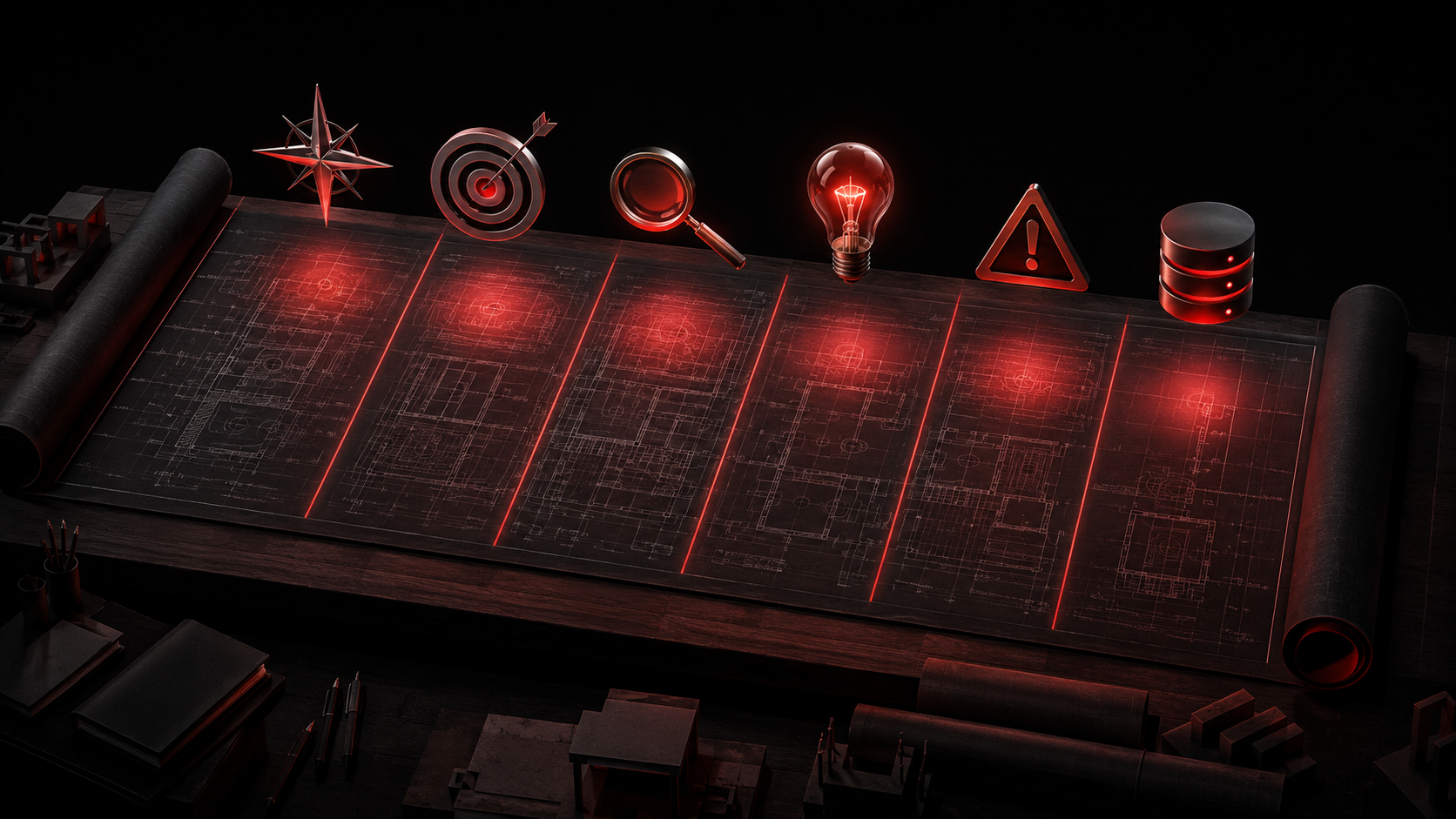
The structure is more disciplined than most people assume when they first hear about it. It’s not just «write a long document instead of making slides.» There are specific expectations about what goes in, in what order, and what quality of thinking it has to demonstrate.
Section 1 — Introduction and context
The memo opens with a clear statement of what’s being proposed and why it matters. No throat-clearing, no backstory padding. The reader should understand the core proposition within the first paragraph. Bezos is famously impatient with preamble.
Section 2 — Goals and success metrics
What does success look like, specifically? This section forces the author to define measurable outcomes before the discussion begins — not after. In most companies, this conversation happens at the end of a meeting, if at all. Amazon puts it in writing upfront.
Section 3 — Current state and lessons learned
What is the situation today? What has already been tried? What worked, what didn’t, and what does that tell us? This section is where most memos reveal whether the author has done real homework or is working from assumptions.
Section 4 — The proposal
The actual recommendation, in full narrative form. Not bullet points. Not a list of options presented neutrally. A genuine argument for a specific course of action, with the reasoning shown. This is where the quality of thinking becomes impossible to hide.
Section 5 — Risks and open questions
What could go wrong? What is the author uncertain about? What questions remain unanswered? This section is a forcing function for intellectual honesty. It’s much harder to gloss over risks in a narrative paragraph than in a bullet point marked «potential challenges.»
Section 6 — Appendix (data, supporting detail)
Supporting data, charts, and detailed analysis that would disrupt the flow of the narrative go here. The main six pages must stand on their own without requiring the appendix — but the appendix lets readers who want to go deeper do so.
The 30 minutes of silence: why it matters more than the memo itself
The written memo is only half of the system. The other half is what happens at the start of the meeting: everyone sits in the room together and reads it in complete silence for up to 30 minutes. No one has read it in advance. No one gets to fake familiarity. Bezos himself reads it alongside everyone else.
This ritual solves a problem that pre-read systems don’t: the pre-read is almost never actually read. Everyone shows up having skimmed it at best, and the meeting spends the first 15 minutes getting everyone to the same starting point while pretending they’re already there. Amazon’s silent reading at the start of the meeting eliminates the pretense. By the time discussion begins, everyone has actually absorbed the material.
Bezos described the dynamic to shareholders with characteristic directness: without the forced reading time, executives «like high school kids, will try to bluff their way through a meeting.» The silence prevents the bluffing.
What this system produces — and what it costs
The outcomes Amazon attributes to the six-pager system are structural rather than easily quantified. Unlike Shopify’s calendar purge, there’s no single metric showing «meetings reduced by X%.» What the data does show is the broader effect: Amazon has scaled from a small online bookstore to one of the most valuable companies in the world, built products like AWS and Alexa, and consistently out-innovated companies that spend far more time in meetings talking about innovation.
| What the system changes | The old way | The Amazon way | Net effect |
|---|---|---|---|
| Meeting preparation | Build a deck, rehearse the pitch | Write a six-page narrative | Deeper thinking required |
| Meeting opening | Presenter talks, others half-listen | 30 min silent reading | Everyone equally informed |
| Discussion quality | Reactions to slides, surface-level | Informed debate on real content | Decisions made faster |
| Interruptions | Executives interrupt early, derail flow | Questions answered within the memo | Fewer tangents |
| Institutional memory | Slides forgotten, reasoning lost | Memo is permanent searchable record | Decisions traceable |
| Meeting frequency | Multiple check-ins per project | One well-prepared meeting per decision | Fewer total meetings |
The honest caveat: writing a good six-pager is hard. Bezos acknowledged in a shareholder letter that a high-quality six-page memo often takes days or even weeks to write well. The preparation cost is real. But Amazon’s position is that this cost is front-loaded into the thinking — which is where it belongs — rather than distributed invisibly across dozens of inconclusive meetings.
The companies that copied it — and what they changed
The Amazon 6 pager memo has been adopted — in whole or in adapted form — by a growing list of companies that cite it explicitly as the model. The most notable is Dropbox.
Drew Houston, Dropbox’s CEO, described the company’s adoption of memo-first meetings publicly. At Dropbox, meetings begin with attendees reading the document for 10 to 20 minutes rather than Amazon’s full 30, and participants leave in-line comments in Dropbox Paper as they read. Houston’s description of the effect is worth noting: instead of vague, disjointed discussion, everyone enters the conversation with what he called a «high-def 4K view» of the topic — the same facts, the same plan, the same baseline. The quality of what follows changes entirely.
The pattern is consistent across organisations that try it seriously: the writing forces clarity that the meeting itself never could.
If you want to go deeper on Bezos’s own words about why he made this call, Inc. published one of the best breakdowns of his thinking on banning PowerPoint.
How to apply the Amazon 6 pager memo in your team — without the full Amazon machine
You don’t need to implement all of this at once. These are the highest-leverage elements, ranked by ease of adoption and immediate impact:
| Element | Full Amazon version | Practical starting point | Impact |
|---|---|---|---|
| Written proposal before any meeting | Six-page narrative memo | One-page written brief — any format | Eliminates half your prep meetings |
| Silent reading at the start | 30 minutes, no exceptions | 10 minutes — start with it once | Every attendee equally informed |
| No bullet points in proposals | Full narrative prose only | Ban bullets in decision docs only | Forces clearer thinking |
| Risks section required | Mandatory in every memo | Add «what could go wrong» to any brief | Better decisions, fewer surprises |
| Memo as permanent record | Stored and searchable forever | Save every brief in Notion or Confluence | Institutional memory that survives turnover |
A 4-week plan to introduce memo-first meetings in your team
Week 1 — Pick one meeting to test it on
Choose the next decision meeting on your calendar — not a status update, but a meeting where a real decision needs to be made. Ask whoever is driving the agenda to write a one-page brief instead of preparing slides. It doesn’t have to be six pages. One clear page is the start.
Week 2 — Introduce the silent read
At the start of the next meeting, hand out the brief (or share the doc) and give everyone 10 minutes to read it before anyone speaks. Warn the room in advance so it doesn’t feel strange. Watch what happens to the quality of the discussion that follows. Most teams are surprised.
Week 3 — Add the risks section
Make one addition mandatory in every written brief: a section called «What could go wrong.» Two or three paragraphs, honest ones. This single addition forces more intellectual rigour into the preparation than any other change you can make.
Week 4 — Expand to all decision meetings
Any meeting where a real decision is being made now requires a written brief beforehand. Status updates are exempt for now — that’s a separate problem. Focus on the meetings where the stakes are high enough that bad decisions actually cost something. Those are where the memo earns its preparation time back immediately.
Conclusion
The Amazon 6 pager memo has survived twenty years because it solves a real problem that most companies refuse to admit they have: most meetings happen before the thinking is done. The PowerPoint exists to fill the time between the idea and the decision, and the meeting exists to validate preparation that was never actually deep enough to validate anything.
Writing a genuine narrative memo — one where you have to construct a real argument in full sentences, acknowledge the risks honestly, and define what success actually looks like — forces the thinking to happen before the meeting, not during it. By the time the room sits down, the hard work is already done. The meeting becomes what Bezos called «the messy part» — the high-quality debate that only works when everyone in the room has genuinely absorbed the same material.
That’s not a meeting culture hack. It’s a thinking culture. And the difference is worth twenty years of compounding returns.
FAQ: Amazon 6 pager memo
What is the Amazon 6 pager memo?
The Amazon 6 pager memo is a six-page narrative document that replaces PowerPoint presentations in Amazon meetings. Introduced by Jeff Bezos in 2004, it requires the meeting organiser to write a structured, full-prose document covering context, goals, proposal, risks, and supporting data. Every meeting begins with 30 minutes of silent reading before any discussion takes place.
Why did Bezos ban PowerPoint at Amazon?
Bezos argued that bullet-point slides allow presenters to hide sloppy thinking behind vague phrases, making it easy for the presenter and nearly useless for the audience. Writing a six-page narrative memo forces genuine clarity of thought — there is no way to write one, he said, without actually understanding the subject. PowerPoint made it too easy to skip that step.
How long does it take to write an Amazon 6 pager memo?
Bezos acknowledged in a shareholder letter that writing a genuinely good six-page memo often takes days or even weeks. This is intentional — the preparation cost is front-loaded into the document, where it belongs, rather than spread invisibly across multiple inconclusive meetings. A poorly written memo is considered a reflection of unclear thinking, not just poor writing.
Do all Amazon meetings use the six-pager format?
The six-pager is standard for executive-level and decision-making meetings. Amazon also uses a shorter «one-pager» format for smaller proposals. Informal check-ins and working sessions don’t require the full format, but any meeting where a significant decision is being made is expected to come with a written narrative document.
What companies have copied Amazon’s memo meeting format?
Dropbox is the most publicly documented adopter, with CEO Drew Houston explicitly citing Amazon’s system as the model. The company uses a 10–20 minute reading period with in-line comments in Dropbox Paper. Many other companies — from mid-size tech firms to early-stage startups — have adopted adapted versions of the format without publicly announcing it.
Can small teams use the Amazon 6 pager memo format?
Yes, and the adaptation is straightforward. Small teams don’t need to write a full six pages for every meeting — a one-page brief with the key sections (context, proposal, risks, success metrics) captures most of the benefit. The most impactful single change any team can make immediately is introducing 10 minutes of silent reading at the start of any meeting where a real decision needs to be made.